
We’ve all seen the signs taped to streetlights or staked into lawns on a Saturday morning. Maybe you pulled over hoping to score a vintage mid-century dresser or some antique tools. But when you’re looking to buy a home, the terminology gets a lot more serious—and a lot more confusing.
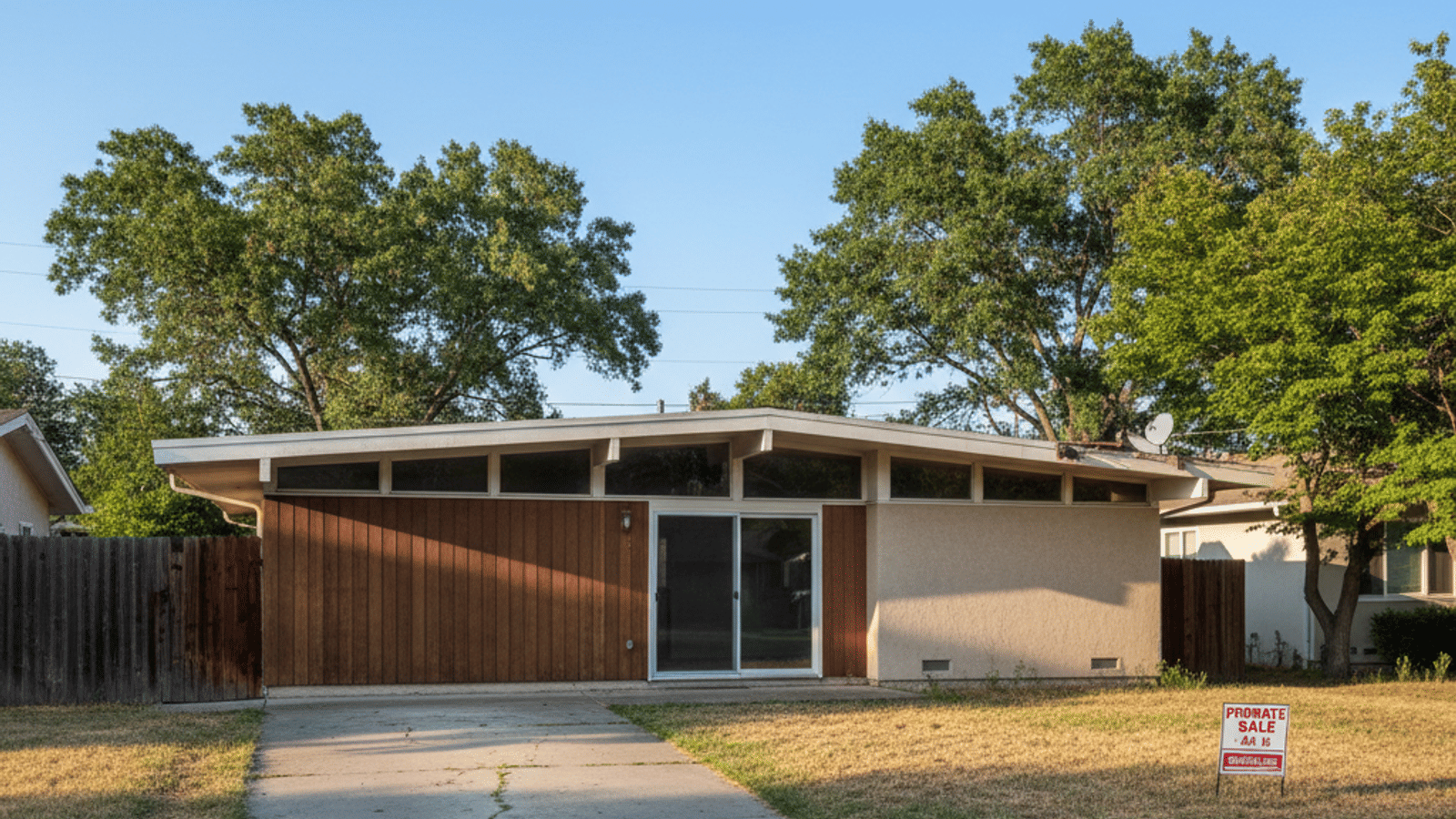
The biggest mix-up I see with buyers is the difference between an “Estate Sale” and a “Probate Sale.” Usually, an estate sale is just about liquidating personal belongings—furniture, art, and dishes. However, when you see a listing for a house itself described as a “Probate Sale,” you are looking at a totally different animal. This refers to the legal process of selling the home to settle a deceased person’s debts or distribute assets.
Sometimes you’ll see a property listing description that says “Estate Sale” or “Trust Sale.” This usually implies a standard transaction managed by a trustee, which is distinct from the court-heavy probate process. But if you are wading into a true probate purchase, you need to understand the risks and the timeline differences. As of early 2026, the market is moving fast, and getting stuck in a six-month court delay isn’t for everyone.
Defining the Terms: Personal Property vs. Real Estate
Before we get into the contracts and court dates, let’s make sure we are talking about the same event. It is easy to assume that if a house is having an estate sale (the event), the house itself is also up for grabs at a bargain price. That isn’t always true.
Here is how to separate the two:
- Estate Sale (Personal Property): This is the organized event to sell household goods. It is usually a cash-and-carry situation that happens over a weekend. There is typically no court involvement; the family just hired a company to clear out the house.
- Probate Sale (Real Property): This is the actual sale of the real estate. It happens when the owner died without a clear path for the property to pass to an heir (like a Living Trust), or to settle debts. This is governed by state probate laws and often involves a judge overseeing the price and terms.
There is one exception you might see while browsing PGA Village homes for sale or other local listings: the “Trust Sale.” If a home was placed in a trust before the owner passed, it avoids probate court. Agents might still colloquially call it an “estate sale,” but legally, it acts much more like a standard transaction.
Probate Sale vs. Standard Sale: The Process Differences
If you decide to make an offer on a probate property, throw your standard 30-day closing timeline out the window. The process is dictated by the court system, not just the buyer and seller.
The first thing we look for is the authority level of the representative. If the Personal Representative has “Full Authority” under the Independent Administration of Estates Act, they can sell the home almost like a normal seller. You make an offer, they accept, and you close. However, if they have “Limited Authority,” the sale requires court confirmation.
Court confirmation is the pivotal step where things get complicated. In a standard sale, once your offer is accepted, the house is effectively yours pending inspections. In a court-confirmed probate sale, your “accepted” offer is really just the opening bid. A court date is set—often 30 to 60 days out—where a judge reviews the sale.
At that hearing, the process can turn into a live auction. This is known as the “overbid” process. Other buyers can show up to court and bid against you. The math usually requires the first overbid to be the accepted price plus 10% of the first $10,000, plus 5% of the remainder. You also typically need a 10% cashier’s check for the deposit ready to go. While you are waiting for this court date, you are tied up in a transaction that could take 3 to 6 months, whereas standard types of home sales usually wrap up in weeks.
Risks and Implications for Home Buyers
The timeline isn’t the only hurdle. There are specific risks regarding the condition of the home and what you are legally told about it.
The “As-Is” Reality Probate homes are almost exclusively sold “as-is.” The estate is generally cash-poor or legally restricted from spending money on renovations. If the roof leaks or the AC is from 1990, the estate is not going to fix it. You are buying the house exactly as it sits.
Limited Disclosures In a standard sale, the seller fills out a detailed questionnaire about what is wrong with the house. In a probate sale, the executor or administrator often never lived in the property. They might be a distant nephew or a court-appointed professional. Consequently, they are often exempt from standard disclosure requirements because they genuinely don’t know if the basement floods or if there were unpermitted additions. You are flying blind compared to buying a standard resale.
Financing Hurdles Because of the “as-is” condition, financing can be tricky. If you are looking at Port St. Lucie golf communities and find a fixer-upper in probate, a standard FHA or VA loan might get rejected if the home has peeling paint, broken windows, or safety hazards. Lenders want a habitable home. This is why you see so many cash offers in probate; cash buyers don’t have a bank demanding repairs before closing.
Pricing, Negotiation, and the “Deal” Myth
There is a pervasive myth that buying a house in probate guarantees you a steal. While it’s true these homes often need work and are priced lower to reflect that, they aren’t always the bargain bin people expect.
The court has a duty to the heirs and creditors to get the highest price possible. In many states, the law requires the home to be sold for at least 90% of its court-appraised value. If you offer lowball significantly below that appraisal, the judge simply won’t approve it.
Furthermore, you are competing with professional investors. Investors love probate sales because they have the cash reserves to handle the “as-is” risk. This competition can drive the price up, especially in desirable areas like PGA Village Verano homes for sale.
Negotiation here is different, too. You aren’t appealing to a seller’s emotions. You are dealing with a Personal Representative who is following a legal checklist. If court confirmation is required, your initial negotiation is just to get your foot in the door. The real “final price” is determined by the judge or the highest bidder in the courtroom. This is why starting with your “highest and best” offer is often the only strategy that works if you want to lock it down before it goes to a bidding war.
Tips for Success
If you are willing to navigate the red tape, you can find a great home in probate. Here is how to protect yourself.
First, hire a Certified Probate Real Estate Specialist (CPRES) or an agent who has closed these specific deals before. The paperwork is unique, and missing a deadline can cost you your deposit. Speaking of deposits, have liquid cash ready. You will likely need a 10% deposit (not just the standard 1-3% earnest money) in the form of a cashier’s check if you are going to court.
Do your inspections before the court hearing. This sounds backward because you don’t own the house yet, but once the gavel falls, the sale is usually final with no contingencies. If you find out the foundation is cracked after the hearing, it’s too late. You need to know what you are buying before you stand in front of the judge.
Finally, bring your patience. If you are on a strict deadline to move because your lease is ending, a probate sale might be too unpredictable for you.
Frequently Asked Questions
Yes, you generally can, provided the house is in livable condition. If the property is in severe disrepair, traditional lenders may deny the loan, forcing you to use a renovation loan (like an FHA 203k) or hard money.
No, these are totally different situations. A probate/estate sale happens because the owner passed away, whereas a foreclosure happens because the living owner stopped paying the mortgage. Foreclosures are bank-owned, while probate homes are owned by the estate of the deceased.
If you go to court and someone bids higher than you, they win the property. You will get your initial deposit back, but you will lose the money you spent on inspections and appraisals upfront.
The biggest mix-up I see with buyers is the difference between an “Estate Sale” and a “Probate Sale.” Usually, an estate sale is just about liquidating personal belongings—furniture, art, and dishes. However, when you see a listing for a house itself described as a “Probate Sale,” you are looking at a totally different animal. This refers to the legal process of selling the home to settle a deceased person’s debts or distribute assets.